Staying consistent is often harder than setting goals. Many people start the year with motivation and clear intentions, but that energy fades when routines become unclear or overwhelming. This is where the right planning tools make a real difference.
Planners, habit trackers, and journals are more than stationery. When used correctly, they become systems that support focus, reduce mental overload, and help you follow through even on low-motivation days. The key is choosing tools that work with your lifestyle instead of adding pressure.
This guide explores planners, habit trackers, and journals that genuinely help people stay consistent by simplifying routines, reinforcing habits, and making progress visible.
Motivation is temporary. Some days you feel driven, other days you don’t. Consistency, however, creates results regardless of mood or energy levels. Small actions repeated over time are what lead to real progress.
Planning tools help bridge the gap between intention and action. Writing things down clears mental clutter and makes goals feel manageable. When progress is visible, it becomes easier to keep going even when motivation drops.
Consistency grows when your system supports you instead of relying on willpower alone.
Planners bring clarity to busy schedules by organizing tasks, appointments, and priorities in one place. Instead of juggling everything mentally, you can rely on a written system to guide your day.
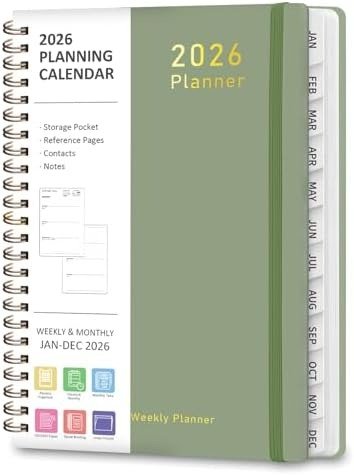
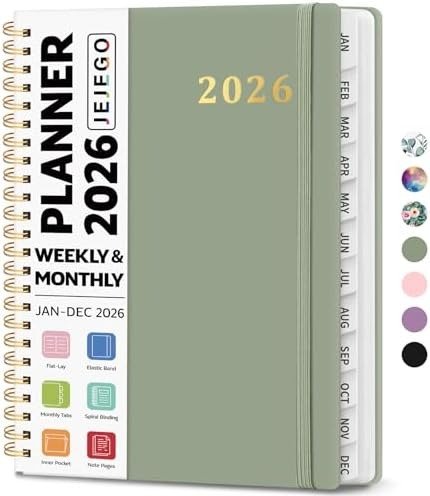
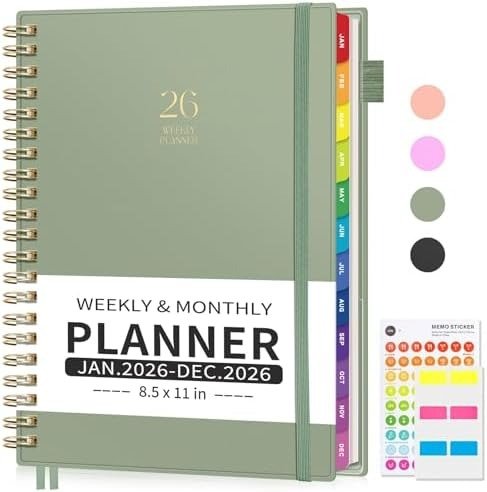
Daily planners are ideal for people who like detailed structure and focus on short-term tasks. Weekly planners work better for those who prefer a broader overview and flexible scheduling. Both can support consistency when matched to your natural working style.
Seeing tasks clearly written down reduces stress and decision fatigue. You spend less energy remembering what needs to be done and more energy actually doing it.
Many planners fail because they look good but feel difficult to use. If a planner feels complicated or restrictive, it quickly gets abandoned.
The best planners feel intuitive. They include simple task lists, priority sections, and notes without forcing rigid layouts. A planner you enjoy opening every day is far more effective than one filled with unused pages.
Consistency improves when planning feels supportive rather than overwhelming.
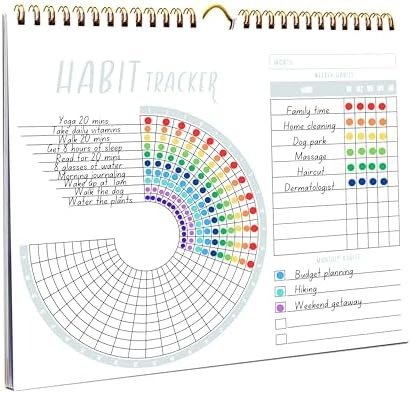
Habit trackers focus on repetition instead of perfection. They help turn good intentions into daily actions by encouraging small, consistent steps.
Seeing checkmarks, streaks, or filled boxes creates a sense of accomplishment. This visual feedback reinforces progress and makes habits feel rewarding.
Habit trackers work best when they track simple, realistic actions. Missing a day isn’t failure—it’s part of the process. Consistency grows when the focus is showing up regularly, not being perfect.
Overly complex habit trackers often become a burden. Simple layouts with clear daily checkboxes are easier to maintain and more effective long term.
Many people prefer habit tracking journals that combine habit logs with brief reflection space. This helps identify patterns, challenges, and progress over time without requiring long writing sessions.
Tracking fewer habits consistently is more powerful than tracking many habits inconsistently.
Journals add depth to planning and habit tracking by helping you process thoughts, emotions, and experiences. While planners focus on what you need to do, journals explore why things work or don’t.
Guided journals are especially helpful for people who struggle with blank pages. Simple prompts encourage reflection without pressure and keep journaling approachable.
Consistency improves when journaling feels manageable. Even a few sentences a day can increase awareness and clarity, making it easier to adjust habits and routines.
Journaling helps you reconnect with your goals during challenging periods. Writing about setbacks, wins, and intentions keeps you engaged even when progress feels slow.
Reflection builds self-awareness, which is essential for long-term consistency. When you understand your patterns, it becomes easier to make realistic changes instead of quitting altogether.
Using planners, habit trackers, and journals together creates a complete consistency system. Each tool plays a different role but supports the same goal.
Some people prefer notebooks that combine planning, habit tracking, and journaling in one place. These systems reduce friction and keep everything organized.
To stay consistent, integrate planning into your daily routine. Choose a specific time for planning or reflection, such as morning goal setting or evening review.
Keep your tools visible and accessible. When planners and journals are within reach, they become part of your daily flow rather than something you forget about.
Consistency improves when planning feels like a helpful habit, not an obligation.
Planners, habit trackers, and journals that actually help you stay consistent focus on simplicity, clarity, and flexibility. They don’t demand perfection or overwhelm you with structure. Instead, they support steady progress through small, intentional actions.
When chosen thoughtfully, these tools become systems that guide daily decisions, reinforce habits, and keep goals in focus. Consistency becomes easier when structure works with you, not against you.
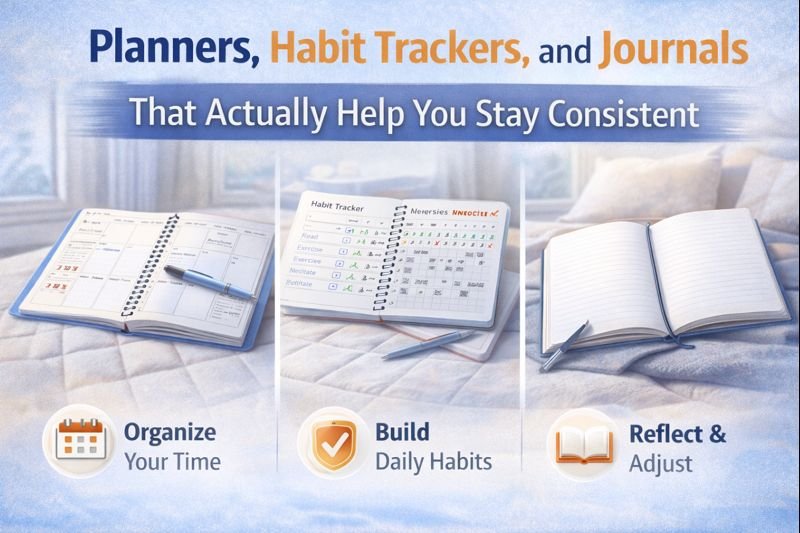
By using planners to organize time, habit trackers to reinforce routines, and journals to reflect and reset, staying consistent becomes less about motivation and more about having the right support in place.

Trusted shopper hub provides content for general informational purposes only and does not offer professional, legal, medical, or financial advice. Some links on this site may be affiliate links, which means we may earn a commission at no extra cost to you. We may also use cookies and third-party tools to improve user experience and analyze site traffic. Use of this website is at your own risk. Learn More…